Walla Walla County, WA
HVAC Repair and Replacement in Walla Walla, WA
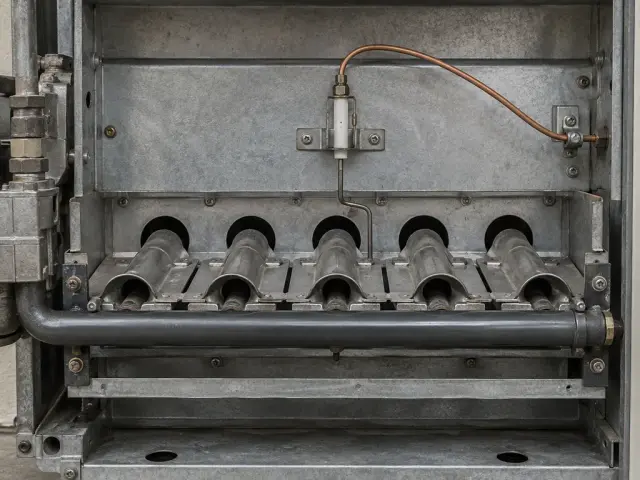
HVAC repair and replacement in Walla Walla, WA covers six calls: heating repair, furnace replacement, AC repair, AC replacement, heat pumps and ductwork. Half the homes in Walla Walla were built before 1965 (Census ACS 2019–2023), so in many of them the heating and cooling equipment has been replaced at least once while the ducts and the flue have not. By the 1991–2020 normals, Walla Walla has 70 days a year with a low of 32°F or colder (NOAA) and a July dew point of 47°F (PRISM), which sets how hard each half of the system works.
(888) 217-3739Washington contractors. No obligation for the call.
Walla Walla was built out in the tract years, which is when forced air became standard. Ducts went in from the start in those houses — sized for heating, because nobody was cooling anything yet — and the equipment attached to them is now on its third or fourth generation.
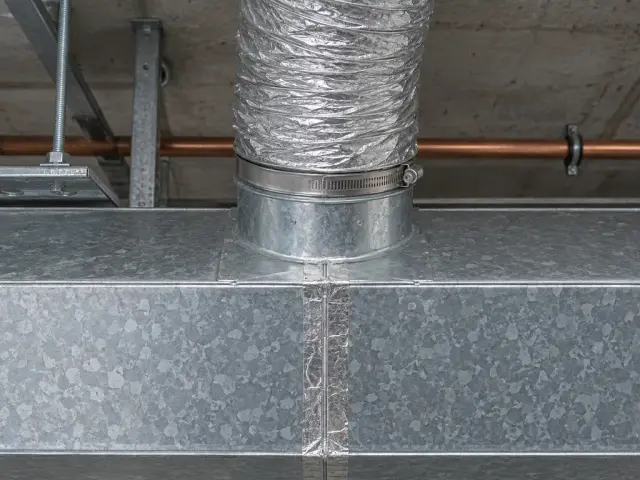
The ducts are the part that surprises people. A system sized for heating moves less air than the same house needs for cooling, so a new air conditioner bolted to old ducts underperforms from the first day and nobody can say why.
Where the duct runs matters as much as how big it is. In a crawl space it sits in damp air and the insulation gives up; under a slab it cannot be inspected at all. A technician measures what arrives at the register rather than what leaves the unit, and the difference between those two numbers is usually the whole problem.
Walla Walla, WA in numbers
| Days a year with a low of 32°F or colder | 70 | NOAA 1991–2020 normals, station 3 miles away |
|---|---|---|
| Days a year with a low of 20°F or colder | 11 | NOAA 1991–2020 normals |
| Average July dew point | 47°F | PRISM 1991–2020 normals |
| Median year homes were built | 1965 | Census ACS 2019–2023 |
| Households | 13,269 | Census ACS 2019–2023 |
| County | Walla Walla County | Census Bureau |
| Federal minimum for a new split central AC | 13.4 SEER2 (North region) | DOE, 2023 standard |
What is the system doing?
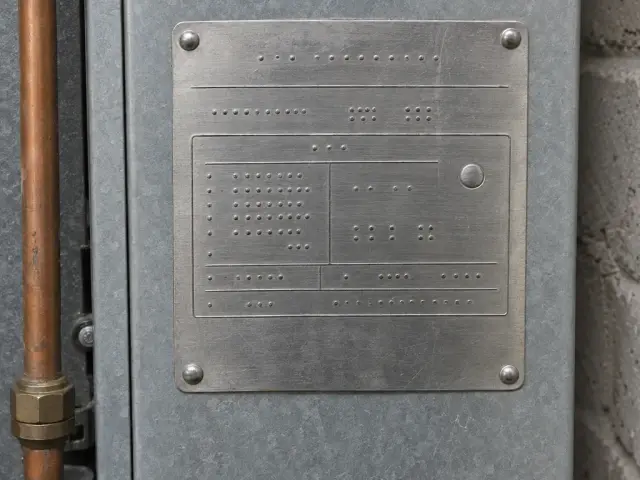
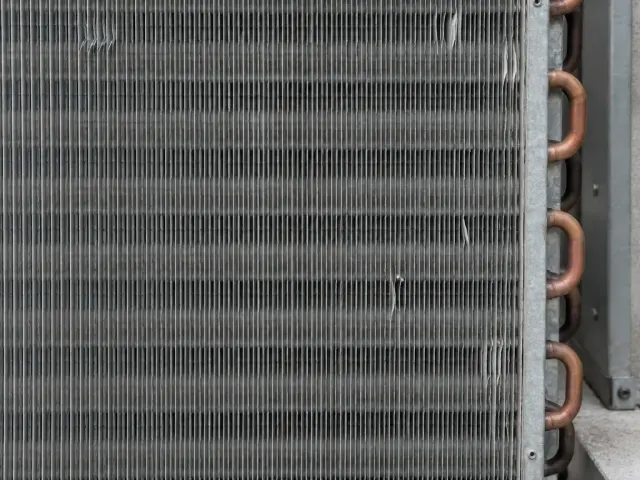
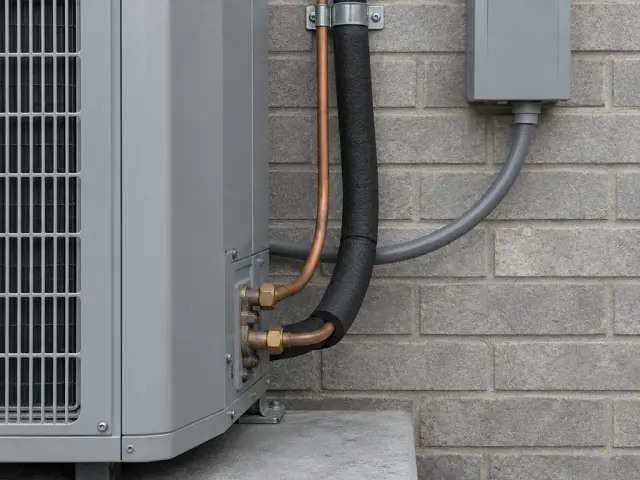
Each of these is a different heating and cooling call, and which one it is decides what happens next in Walla Walla. Pick the closest.
- The figure
- Set by the contractor and said before the work starts. This site never quotes and has no part in it. If a technician cannot say what the visit covers before beginning, that is the moment to stop.
- The call
- Describing what the system is doing commits you to nothing. Nothing is booked until you say so.
- Coverage
- By town, not by region. Walla Walla and the towns around it, and it shifts with who is taking calls at the hour you ring.
Describing it on the phone costs nothing
Nothing is booked until you say so. What a technician needs first is what the system is doing, how long it has been doing it, and roughly when the equipment went in — that last one changes the answer more than anything else you can tell them, because it decides whether the part is still made.
Heating and cooling in Walla Walla: questions
When were most houses in Walla Walla built?
Half the homes in Walla Walla were built before 1965, by the Census Bureau's 2019–2023 American Community Survey. Detached houses make up most of the housing. In houses that age the furnace or air conditioner has usually been replaced at least once, and the ducts and the flue are often older than the equipment.
How cold does Walla Walla get in winter?
Walla Walla averages 70 days a year with a low of 32°F or colder and 11 at 20°F or colder, by the 1991–2020 climate normals for a NOAA station 3 miles away. Cooling leads here, and the heating runs for a few weeks of the year, so a fault often shows up on the first cold morning.
How humid are summers in Walla Walla?
The July dew point in Walla Walla averages 47°F, by the PRISM 1991–2020 climate normals. In air that dry most of the cooling load is heat, and an air conditioner removes little water, so sizing turns on the house and its sun more than on humidity.
Where this is
Towns near Walla Walla