St. Louis city, MO
HVAC Repair and Replacement in St. Louis, MO
Heating and cooling repair in St. Louis, MO starts with which of six calls it is, from a furnace that will not light to a duct that starves one room. Half the homes in St. Louis were built before 1938 (Census ACS 2019–2023), so in many of them the heating and cooling equipment has been replaced at least once while the ducts and the flue have not. The 1991–2020 climate normals give St. Louis 79 days a year with a low of 32°F or colder (NOAA) and a July dew point of 68°F (PRISM), which sets how hard each half of the system works.
(888) 217-3739Missouri contractors. No obligation for the call.
Most of the homes in St. Louis went up before central cooling existed, and that decides the whole conversation. A house of this age was heated first and cooled later, so what is in the basement now is rarely what was designed for it.
Two arrangements turn up, and they lead opposite ways. A house that kept its boiler and radiators has no ducts at all, so cooling means ductless heads, high-velocity small duct, or building a duct system from nothing. A house converted to forced air has ducts that were improvised, often from the old gravity trunks, and they are enormous in the wrong places and missing in others.
The electrical panel is the other half of the question. A service that ran lights and a boiler was never asked to start a compressor, and on a replacement the panel decides what is possible before the equipment does. A technician checks it early, because the answer changes the whole quote.
Most homes here are rented, which puts a step before the work: heat is a habitability matter in most states, and a system that has failed rather than been broken is usually the landlord’s to fix. A written finding from a technician is what settles that, and it is worth having before the argument starts rather than after.
St. Louis, MO in numbers
| Days a year with a low of 32°F or colder | 79 | NOAA 1991–2020 normals, station in or next to town |
|---|---|---|
| Days a year with a low of 20°F or colder | 25 | NOAA 1991–2020 normals |
| Average July dew point | 68°F | PRISM 1991–2020 normals |
| Median year homes were built | 1938 | Census ACS 2019–2023 |
| Households | 144,450 | Census ACS 2019–2023 |
| County | St. Louis city | Census Bureau |
| Federal minimum for a new split central AC | 13.4 SEER2 (North region) | DOE, 2023 standard |
What is the system doing?
Each of these is a different heating and cooling call, and which one it is decides what happens next in St. Louis. Pick the closest.
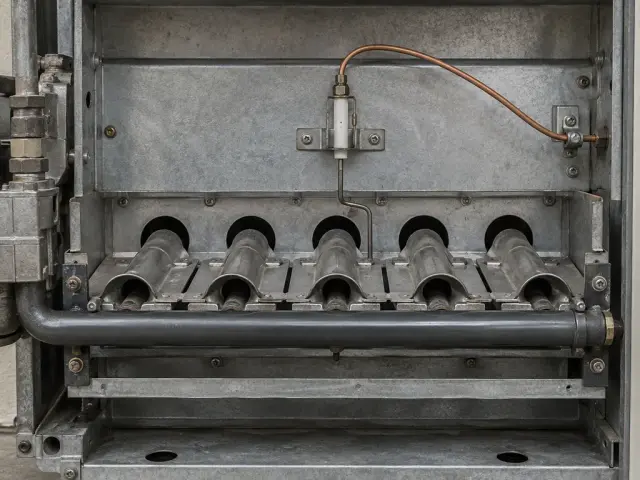
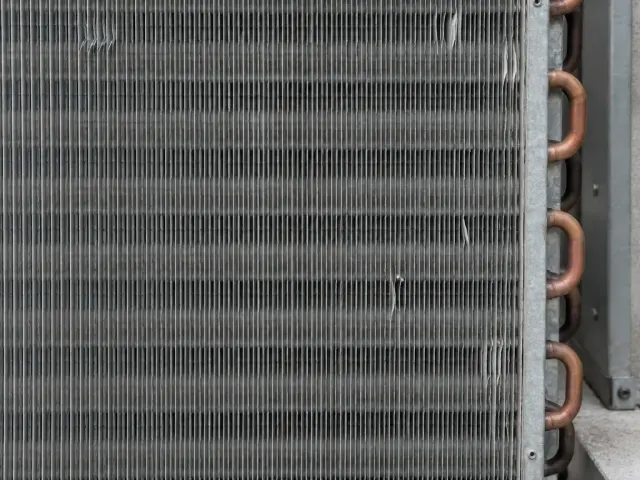
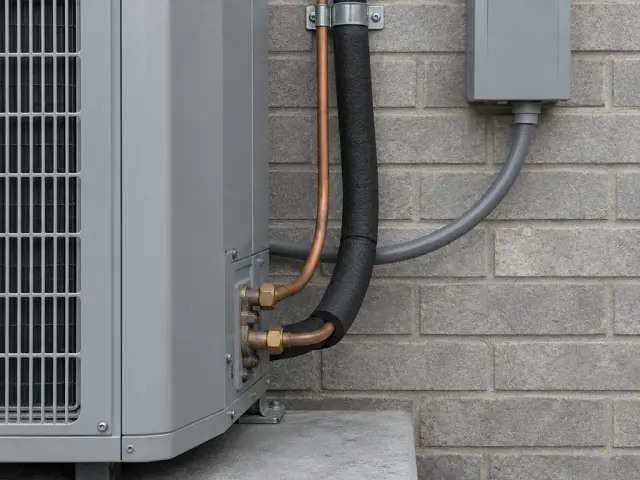
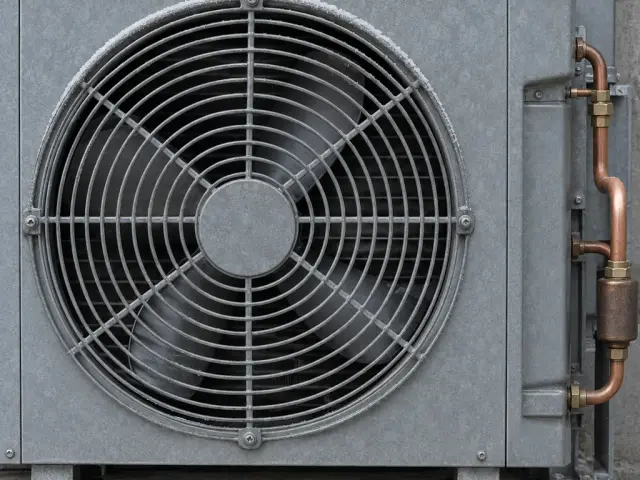
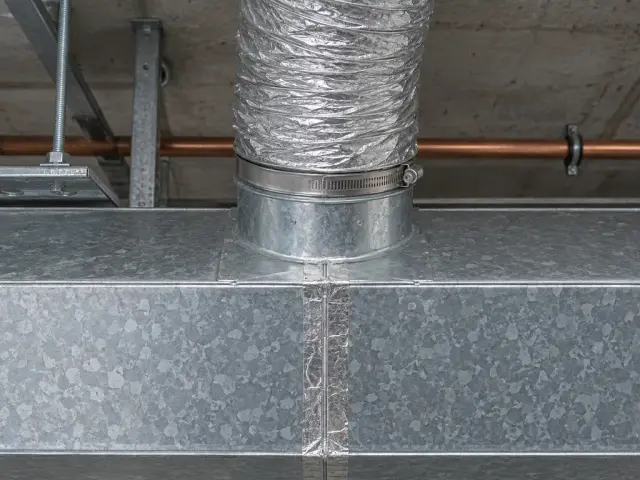
- The license
- Held by the contractor, not by this site, and issued where the work happens — Missouri licenses at state level, at city level or not at all depending on the trade and the town. Ask for the number and the name it is held under: a trading name and the licensed entity are often not the same.
- The figure
- Set by the contractor and said before the work starts. This site never quotes and has no part in it. If a technician cannot say what the visit covers before beginning, that is the moment to stop.
- Coverage
- By town, not by region. St. Louis and the towns around it, and it shifts with who is taking calls at the hour you ring.
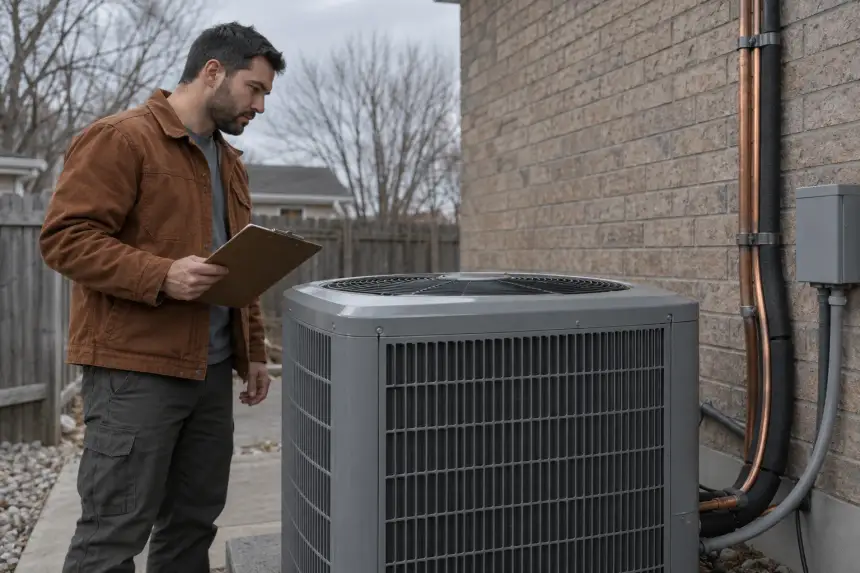
Describing it on the phone costs nothing
Nothing is booked until you say so. What a technician needs first is what the system is doing, how long it has been doing it, and roughly when the equipment went in — that last one changes the answer more than anything else you can tell them, because it decides whether the part is still made.
Heating and cooling in St. Louis: questions
How old are the homes in St. Louis?
Half the homes in St. Louis were built before 1938, by the Census Bureau's 2019–2023 American Community Survey. Detached houses make up a good share of the housing. In houses that age the furnace or air conditioner has usually been replaced at least once, and the ducts and the flue are often older than the equipment.
How many freezing days does St. Louis have?
St. Louis averages 79 days a year with a low of 32°F or colder and 25 at 20°F or colder, by the 1991–2020 climate normals for the NOAA station in or next to town. Cooling leads here, and the heating runs for a few weeks of the year, so a fault often shows up on the first cold morning.
How humid are summers in St. Louis?
The July dew point in St. Louis averages 68°F, by the PRISM 1991–2020 climate normals. In air that wet an oversized air conditioner cools the house fast, shuts off before it has dried the air, and leaves rooms cool and clammy, which is why sizing starts with a load calculation for the house.