Kanawha County, WV
HVAC Repair and Replacement in Rand, WV
Heating and cooling repair in Rand, WV starts with which of six calls it is, from a furnace that will not light to a duct that starves one room. Half the homes in Rand were built before 1962 (Census ACS 2019–2023), so in many of them the heating and cooling equipment has been replaced at least once while the ducts and the flue have not. The 1991–2020 climate normals give Rand 94 days a year with a low of 32°F or colder (NOAA) and a July dew point of 66°F (PRISM), which sets how hard each half of the system works.
(888) 217-3739West Virginia contractors. No obligation for the call.
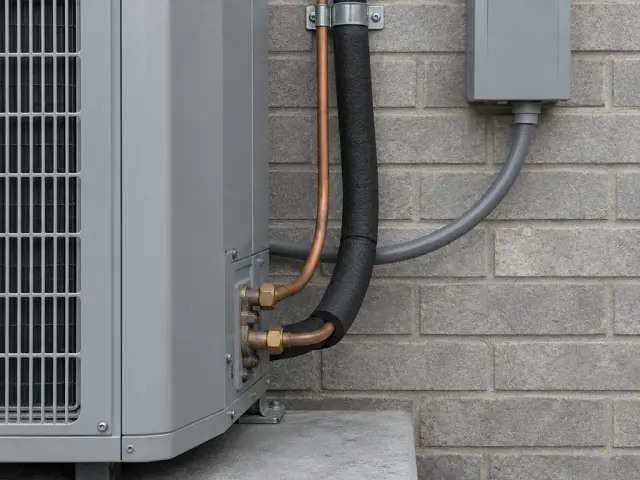
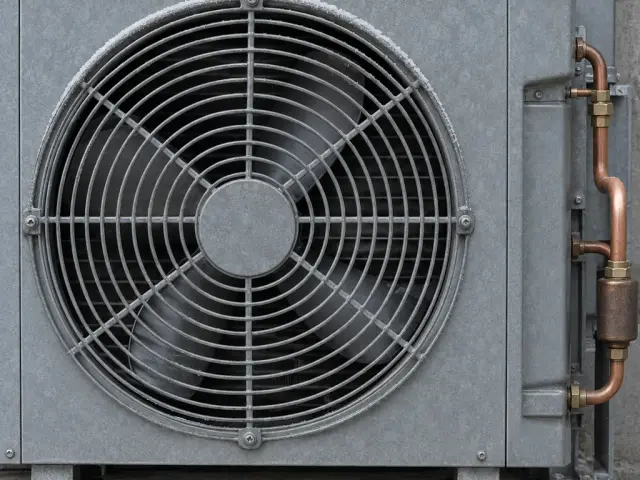
Manufactured housing sets the pattern in Rand, and the equipment is genuinely different — not a smaller version of what is in a site-built house. A packaged unit stands outside and feeds air along a duct under the floor, and a contractor who works only on split systems is the wrong call.
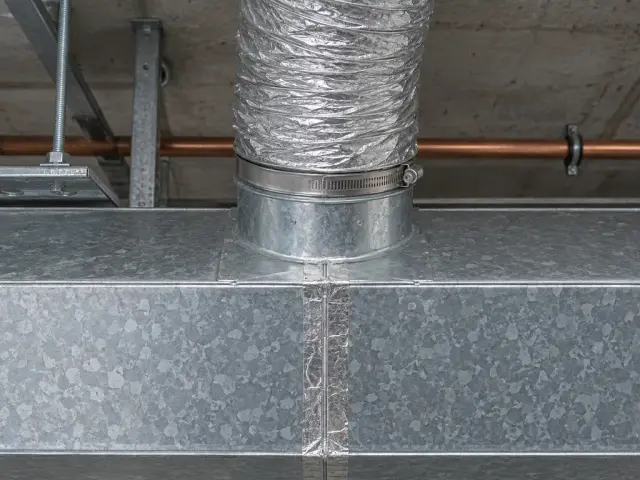
The crossover duct under the floor is where it usually is. It runs the length of the home inside the belly wrap, and once that wrap tears the duct sits in outside air — or disconnects entirely, at which point half the home stops getting anything.
Replacement is a narrower question here. The equipment has to be listed for manufactured housing, the furnace sits in a closet built to a specific size, and the duct connection is not the one a site-built house uses. Saying it on the phone saves a wasted visit.
Rand, WV in numbers
| Days a year with a low of 32°F or colder | 94 | NOAA 1991–2020 normals, station 7 miles away |
|---|---|---|
| Days a year with a low of 20°F or colder | 23 | NOAA 1991–2020 normals |
| Average July dew point | 66°F | PRISM 1991–2020 normals |
| Median year homes were built | 1962 | Census ACS 2019–2023 |
| Households | 471 | Census ACS 2019–2023 |
| County | Kanawha County | Census Bureau |
| Federal minimum for a new split central AC | 13.4 SEER2 (North region) | DOE, 2023 standard |
What is the system doing?
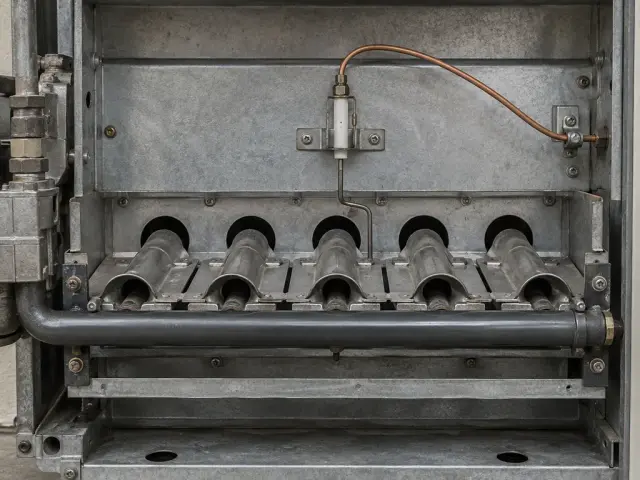
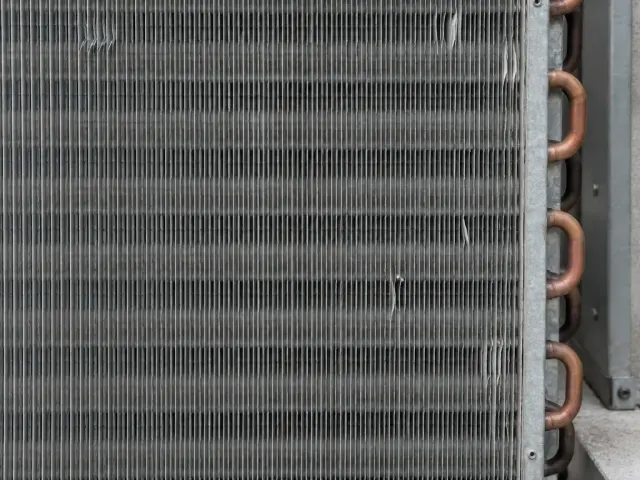
Each of these is a different heating and cooling call, and which one it is decides what happens next in Rand. Pick the closest.
- The figure
- Set by the contractor and said before the work starts. This site never quotes and has no part in it. If a technician cannot say what the visit covers before beginning, that is the moment to stop.
- The call
- Describing what the system is doing commits you to nothing. Nothing is booked until you say so.
- Coverage
- By town, not by region. Rand and the towns around it, and it shifts with who is taking calls at the hour you ring.
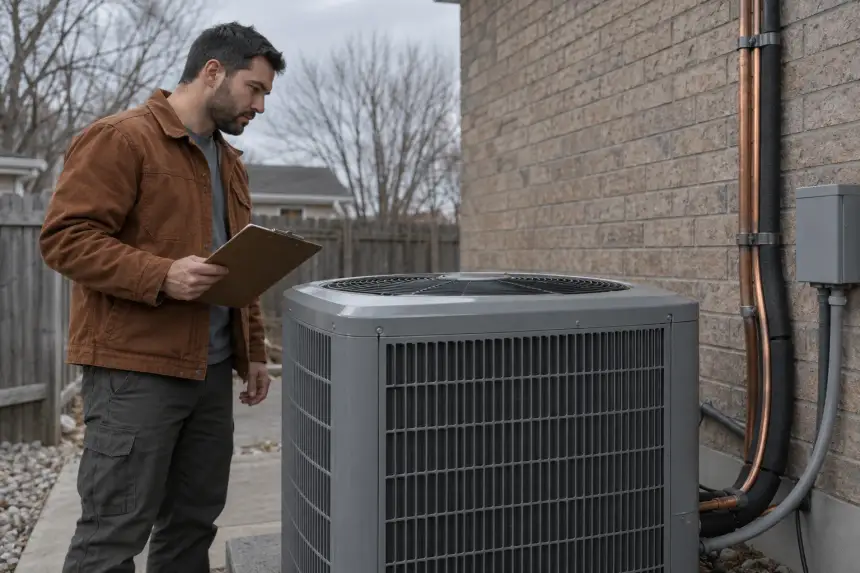
Describing it on the phone costs nothing
Nothing is booked until you say so. What a technician needs first is what the system is doing, how long it has been doing it, and roughly when the equipment went in — that last one changes the answer more than anything else you can tell them, because it decides whether the part is still made.
Heating and cooling in Rand: questions
How old are the homes in Rand?
Half the homes in Rand were built before 1962, by the Census Bureau's 2019–2023 American Community Survey. Detached houses make up about half of the housing. In houses that age the furnace or air conditioner has usually been replaced at least once, and the ducts and the flue are often older than the equipment. Manufactured homes are common enough here that a packaged unit outside, feeding a duct under the floor, is worth mentioning on the call.
How many freezing days does Rand have?
Rand averages 94 days a year with a low of 32°F or colder and 23 at 20°F or colder, by the 1991–2020 climate normals for a NOAA station 7 miles away. Both halves of the system work hard here, and the heating side runs for months rather than weeks.
What is the July dew point in Rand?
The July dew point in Rand averages 66°F, by the PRISM 1991–2020 climate normals. In air that wet an oversized air conditioner cools the house fast, shuts off before it has dried the air, and leaves rooms cool and clammy, which is why sizing starts with a load calculation for the house.