Chambers County, TX
HVAC Repair and Replacement in Mont Belvieu, TX
HVAC repair and replacement in Mont Belvieu, TX covers six calls: heating repair, furnace replacement, AC repair, AC replacement, heat pumps and ductwork. Half the homes in Mont Belvieu were built in 2011 or later (Census ACS 2019–2023), so many houses here still run the equipment they were built with. The 1991–2020 climate normals give Mont Belvieu 9 days a year with a low of 32°F or colder (NOAA) and a July dew point of 74°F (PRISM), which sets how hard each half of the system works.
(888) 217-3739Texas contractors. No obligation for the call.
The houses in Mont Belvieu are newer than most, and a newer house needs less heating and cooling than the equipment usually installed in it. A tight envelope changes the arithmetic of sizing, and the common fault here is a system too large rather than too small.
An oversized air conditioner cools the air without drying it. It reaches the thermostat setting in a few minutes of running, shuts off, and never runs long enough to pull moisture out — the thermostat reads the right number and the house feels wrong. The complaint is comfort; the cause is sizing.
Sealed combustion changed what can be left alone. A modern furnace takes its air from outside through one pipe and vents through a second, and those pipes have terminations that block: a nest, a drift, a screen packed with lint. A system that will not start on the first cold morning is often telling you about the outside of the wall rather than anything inside it.
Mont Belvieu, TX in numbers
| Days a year with a low of 32°F or colder | 9 | NOAA 1991–2020 normals, station 8 miles away |
|---|---|---|
| Days a year with a low of 20°F or colder | fewer than one | NOAA 1991–2020 normals |
| Average July dew point | 74°F | PRISM 1991–2020 normals |
| Median year homes were built | 2011 | Census ACS 2019–2023 |
| Households | 3,010 | Census ACS 2019–2023 |
| County | Chambers County | Census Bureau |
| Federal minimum for a new split central AC | 14.3 SEER2 under 45,000 Btu/h (Southeast) | DOE, 2023 standard |
What is the system doing?
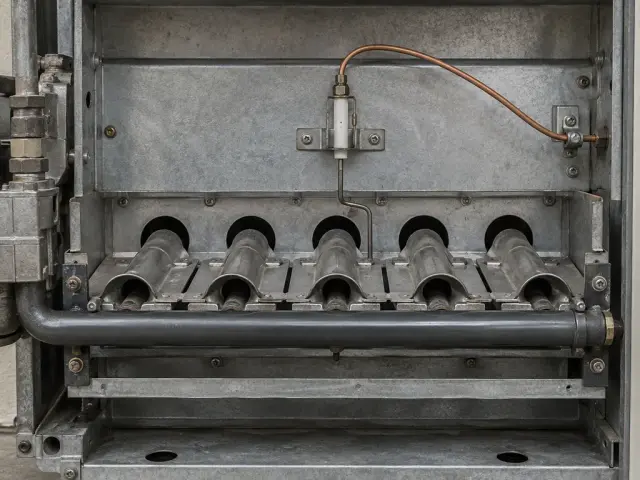
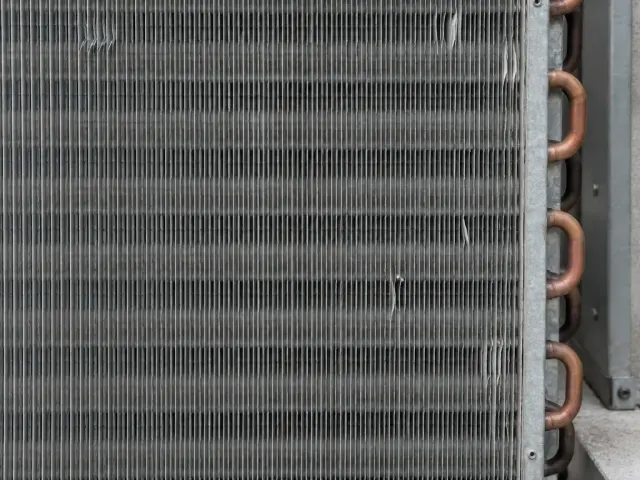
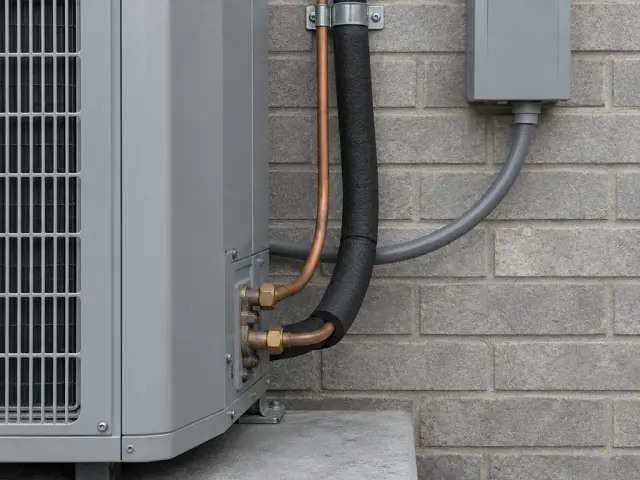
Each of these is a different heating and cooling call, and which one it is decides what happens next in Mont Belvieu. Pick the closest.
- The license
- Held by the contractor, not by this site, and issued where the work happens — Texas licenses at state level, at city level or not at all depending on the trade and the town. Ask for the number and the name it is held under: a trading name and the licensed entity are often not the same.
- The figure
- Set by the contractor and said before the work starts. This site never quotes and has no part in it. If a technician cannot say what the visit covers before beginning, that is the moment to stop.
- The call
- Describing what the system is doing commits you to nothing. Nothing is booked until you say so.
Describing it on the phone costs nothing
Nothing is booked until you say so. What a technician needs first is what the system is doing, how long it has been doing it, and roughly when the equipment went in — that last one changes the answer more than anything else you can tell them, because it decides whether the part is still made.
Heating and cooling in Mont Belvieu: questions
How old are the homes in Mont Belvieu?
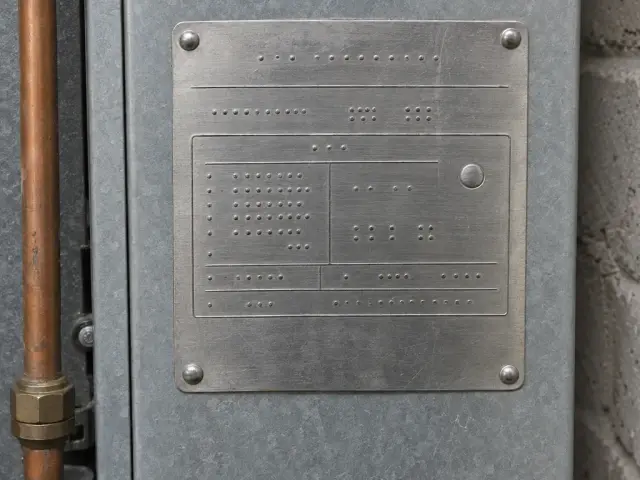
Half the homes in Mont Belvieu were built in 2011 or later, by the Census Bureau's 2019–2023 American Community Survey. Detached houses make up most of the housing. Many of those houses still run the equipment they were built with, so its install date is on the label at the furnace or the outdoor unit.
How cold does Mont Belvieu get in winter?
Mont Belvieu averages 9 days a year with a low of 32°F or colder and almost none at 20°F or colder, by the 1991–2020 climate normals for a NOAA station 8 miles away. Heating is rarely asked for here, so a fault in it can sit unnoticed until the one cold week of the year.
What is the July dew point in Mont Belvieu?
The July dew point in Mont Belvieu averages 74°F, by the PRISM 1991–2020 climate normals. In air that wet an oversized air conditioner cools the house fast, shuts off before it has dried the air, and leaves rooms cool and clammy, which is why sizing starts with a load calculation for the house.