Gallatin County, MT
HVAC Repair and Replacement in Gallatin River Ranch, MT
Heating and cooling repair in Gallatin River Ranch, MT starts with which of six calls it is, from a furnace that will not light to a duct that starves one room. Half the homes in Gallatin River Ranch were built in 2008 or later (Census ACS 2019–2023), so many houses here still run the equipment they were built with. The 1991–2020 climate normals give Gallatin River Ranch 200 days a year with a low of 32°F or colder (NOAA) and a July dew point of 46°F (PRISM), which sets how hard each half of the system works.
(888) 217-3739Montana contractors. No obligation for the call.
A large share of Gallatin River Ranch is attached housing, and the party wall settles one thing before anything else: where an outdoor unit can physically stand. There is no side yard, so it goes on the roof, in a rear pit, or a few feet from the neighbor’s window.
Placement is not a detail here — it is most of the job. A line set has to reach, the unit has to stay serviceable, and it has to be quiet at the property line, and on a narrow lot those three pull against each other.
The flue is the second thing a party wall decides. Where two houses share a chimney, or vent within a few feet of each other, replacing one appliance can change how the other drafts. That is a question for the technician standing there, not one to settle on the phone.
Gallatin River Ranch, MT in numbers
| Days a year with a low of 32°F or colder | 200 | NOAA 1991–2020 normals, station 4 miles away |
|---|---|---|
| Days a year with a low of 20°F or colder | 104 | NOAA 1991–2020 normals |
| Average July dew point | 46°F | PRISM 1991–2020 normals |
| Median year homes were built | 2008 | Census ACS 2019–2023 |
| Households | 78 | Census ACS 2019–2023 |
| County | Gallatin County | Census Bureau |
| Federal minimum for a new split central AC | 13.4 SEER2 (North region) | DOE, 2023 standard |
What is the system doing?
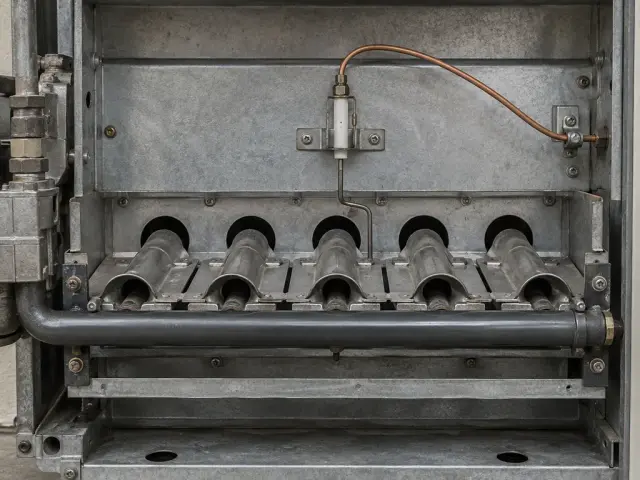
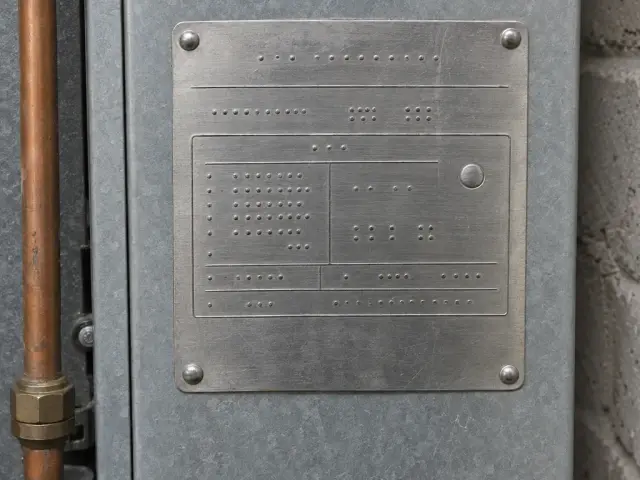
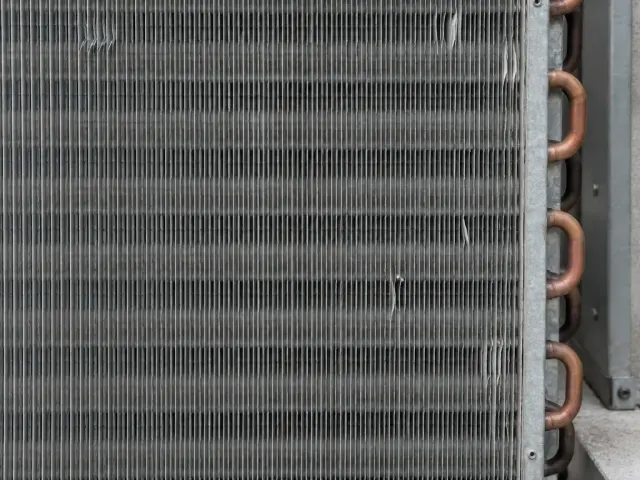
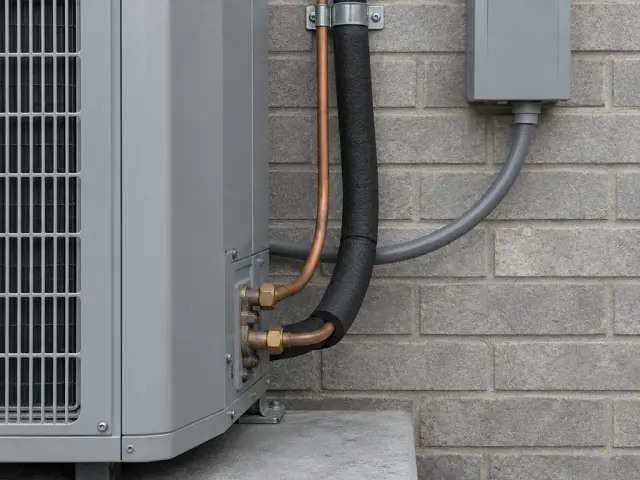
Each of these is a different heating and cooling call, and which one it is decides what happens next in Gallatin River Ranch. Pick the closest.
- The license
- Held by the contractor, not by this site, and issued where the work happens — Montana licenses at state level, at city level or not at all depending on the trade and the town. Ask for the number and the name it is held under: a trading name and the licensed entity are often not the same.
- The call
- Describing what the system is doing commits you to nothing. Nothing is booked until you say so.
- Coverage
- By town, not by region. Gallatin River Ranch and the towns around it, and it shifts with who is taking calls at the hour you ring.
Describing it on the phone costs nothing
Nothing is booked until you say so. What a technician needs first is what the system is doing, how long it has been doing it, and roughly when the equipment went in — that last one changes the answer more than anything else you can tell them, because it decides whether the part is still made.
Heating and cooling in Gallatin River Ranch: questions
How old are the homes in Gallatin River Ranch?
Half the homes in Gallatin River Ranch were built in 2008 or later, by the Census Bureau's 2019–2023 American Community Survey. Detached houses make up most of the housing. Many of those houses still run the equipment they were built with, so its install date is on the label at the furnace or the outdoor unit.
How cold does Gallatin River Ranch get in winter?
Gallatin River Ranch averages 200 days a year with a low of 32°F or colder and 104 at 20°F or colder, by the 1991–2020 climate normals for a NOAA station 4 miles away. Heating is the main system here, and a furnace that quits in January is an emergency rather than an inconvenience.
How humid are summers in Gallatin River Ranch?
The July dew point in Gallatin River Ranch averages 46°F, by the PRISM 1991–2020 climate normals. In air that dry most of the cooling load is heat, and an air conditioner removes little water, so sizing turns on the house and its sun more than on humidity.
Where this is
Towns near Gallatin River Ranch